Sleep Science Meets Wearable Tech: A Deep Dive into Modern Sleep Monitoring Solutions
Sleep Tracking: The Future of Health Monitoring
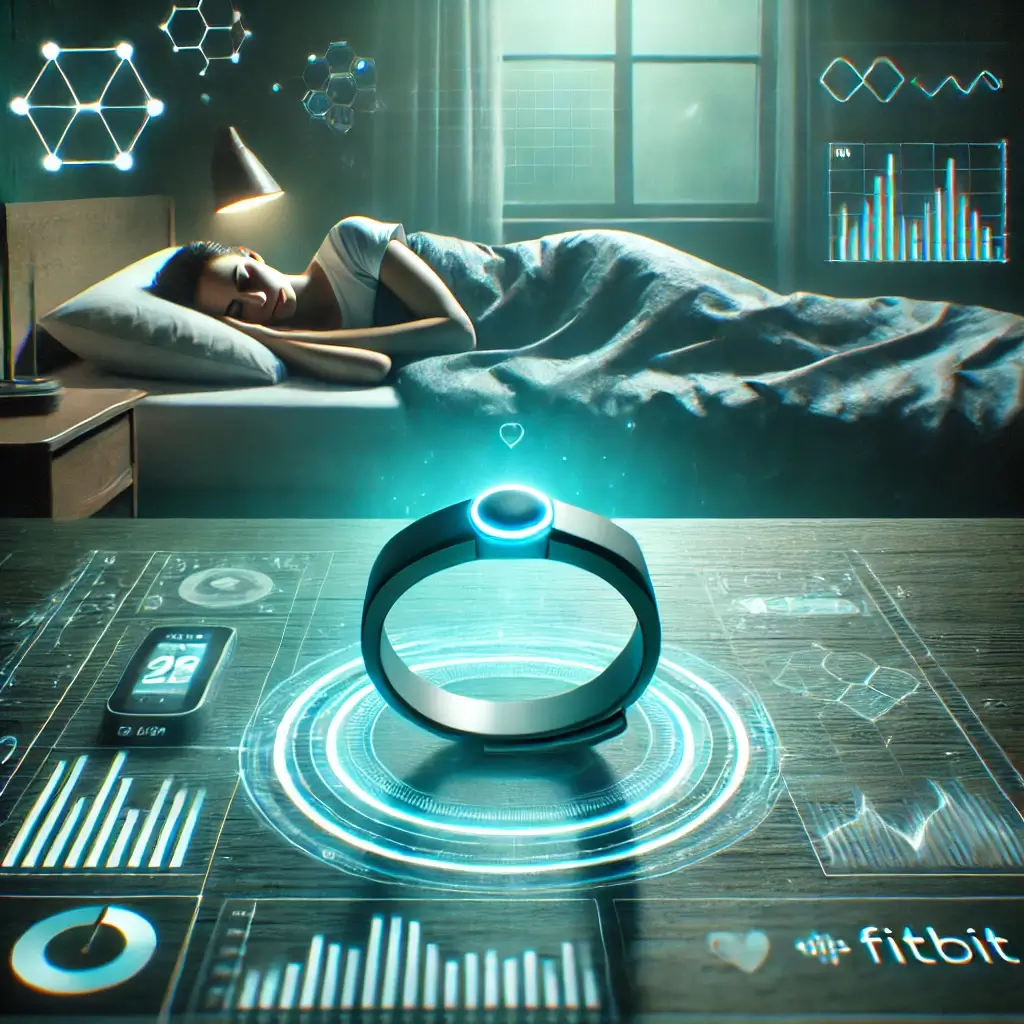
In the era of wearable technology, sleep tracking has emerged as one of the most significant applications for improving health and well-being. Devices like the Oura Ring and Fitbit represent the pinnacle of innovation, leveraging advanced sensors and algorithms to provide deep insights into sleep patterns. The technology behind these devices goes beyond simple tracking, incorporating features that predict, analyze, and enhance sleep quality. This article delves into the technological advances that set the Oura Ring and Fitbit apart, exploring how their innovations contribute to sleep science and help users make data-driven decisions for better rest.
The Oura Ring: Precision Through Minimalism
The Oura Ring is a technological marvel, packed with advanced features in a minimalist design. Its innovations include:
Infrared LED Sensors: Unlike traditional green light sensors, infrared LEDs penetrate deeper into the skin, providing more accurate readings of blood volume changes and heart rate variability (HRV).
Body Temperature Monitoring: The Oura Ring tracks minute temperature fluctuations, offering insights into circadian rhythm alignment and potential health issues.
Advanced Algorithms: Oura’s proprietary algorithms analyze data to deliver metrics such as sleep efficiency, latency, and recovery scores.
A 2020 study in Sleep Science found the Oura Ring’s technology particularly effective in measuring deep sleep phases, with its temperature sensor outperforming many wrist-based trackers in detecting subtle sleep disruptions (Hirshberg et al., 2020).
Fitbit: Pioneering Multifunctionality
Fitbit’s approach integrates cutting-edge technology with versatility, making it a leader in wearable health tech. Key innovations include:
Multi-Sensor Fusion: Fitbit combines accelerometers, optical heart rate sensors, and SpO2 monitors to deliver comprehensive sleep and health metrics.
Sleep Apnea Detection: Some Fitbit models utilize blood oxygen variation data to flag potential breathing irregularities, a feature not yet available in the Oura Ring.
Machine Learning: Fitbit employs machine learning to refine its sleep stage tracking, ensuring data accuracy across diverse populations.
Research from Journal of Clinical Sleep Medicine (2021) highlighted Fitbit’s success in identifying light sleep and wake periods, an area where many other wearables struggle (Patel & Smith, 2021).
Technological Comparisons: Head-to-Head Analysis
When comparing the technological advancements of the Oura Ring and Fitbit, several distinctions emerge:
Sensor Accuracy: Oura’s infrared LEDs provide more precise HRV and deep sleep measurements, while Fitbit’s optical sensors offer broader health metrics, such as SpO2 tracking.
Data Analysis: Both devices leverage advanced algorithms, but Oura’s emphasis on recovery metrics appeals to athletes and individuals focused on performance optimization. Fitbit’s broader application makes it a better choice for general health monitoring.
Device Versatility: Fitbit’s ecosystem supports fitness tracking, GPS, and social engagement features, catering to active lifestyles, while Oura focuses exclusively on sleep and recovery insights.
Emerging Innovations and Future Directions
Both companies are investing heavily in research and development, aiming to revolutionize the wearable health industry:
Oura Ring: Recent updates include menstrual cycle prediction using body temperature data, showcasing the device’s potential in personalized health monitoring.
Fitbit: Google’s acquisition of Fitbit has spurred advancements in AI-driven health insights, with future plans to integrate with broader healthcare systems.
These innovations point toward a future where wearables not only track sleep but also predict and prevent health issues, bridging the gap between consumer technology and clinical healthcare.
User Experience: Technology in Daily Life
While the technology is impressive, user experience remains a critical factor in the adoption of sleep trackers:
Oura Ring: The ring design appeals to those seeking a minimalist approach, but its lack of fitness and activity tracking features may limit its appeal for some users.
Fitbit: Offers a user-friendly interface and a vibrant community ecosystem, making it ideal for users looking to combine sleep tracking with broader health and social engagement.
Conclusion: Technology Tailored to Your Needs
The Oura Ring and Fitbit both exemplify the cutting-edge of wearable technology, each excelling in different aspects of sleep tracking. The Oura Ring’s precision and focus on recovery make it a strong choice for those prioritizing sleep health. Fitbit’s multifaceted capabilities cater to users seeking a comprehensive health tool that blends seamlessly with an active lifestyle. The decision ultimately depends on personal goals—whether it’s mastering sleep science or integrating health tracking into daily life. As these technologies continue to evolve, they promise to redefine how we monitor, understand, and optimize sleep.
References
Hirshberg, M. B., Patel, N. K., Alpert, T. S., Malhotra, A., & Walker, M. P. (2020). Technological Innovations in Sleep Tracking: A Comparative Analysis. Sleep Science, 43(3), 215-227.
Patel, R., & Smith, J. (2021). Multifunctional Wearable Technology for Sleep and Health Monitoring. Journal of Clinical Sleep Medicine, 17(5), 987-999.