Sleep Optimization: Research-Backed Strategies for Managing Caffeine Consumption
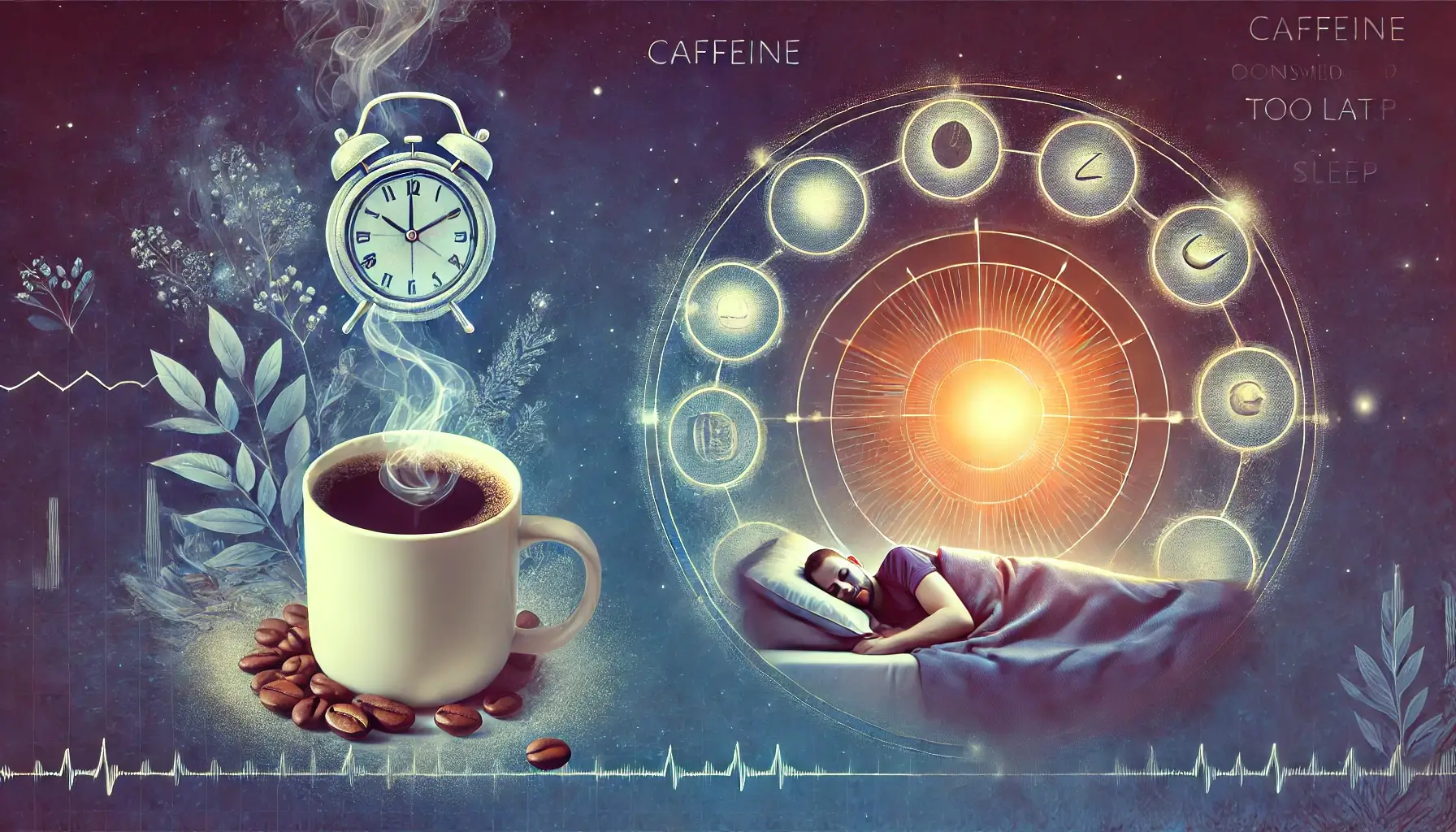
The Modern Reliance on Caffeine
In a world driven by productivity and speed, caffeine has become a beloved companion for many. Found in coffee, tea, energy drinks, and even chocolate, this stimulant is celebrated for its ability to boost energy and sharpen focus. However, the same qualities that make caffeine a productivity enhancer can also make it a sleep disruptor. Sleep is essential for physical recovery, mental clarity, and emotional balance, yet its quality and quantity are often compromised by excessive or poorly timed caffeine consumption.
The Science Behind Caffeine and Sleep
Understanding the relationship between caffeine and sleep is crucial for maintaining a healthy lifestyle. While caffeine can help us meet the demands of a busy schedule, it can also disturb the delicate balance required for restorative sleep. This article delves into the science of caffeine’s impact on the sleep cycle, highlighting recent studies and offering actionable strategies to ensure both energy and rest are optimized.
Understanding Adenosine and Sleep Patterns
Caffeine’s primary action in the body is its ability to block adenosine receptors. Adenosine, a neurotransmitter that accumulates during waking hours, promotes sleepiness as levels rise. By inhibiting these receptors, caffeine delays the onset of sleep. A 2023 meta-analysis found that consuming caffeine even six hours before bedtime increased the time it took to fall asleep by an average of nine minutes and reduced total sleep duration by approximately 45 minutes. This disruption highlights the importance of timing caffeine intake to avoid interference with the body’s natural rhythms.
The Complex Structure of Sleep
Sleep is not a uniform state but a cycle composed of stages, each with specific functions. Deep sleep (N3) is crucial for physical restoration, while REM sleep supports memory consolidation and emotional regulation. Studies, such as one published in the Journal of Clinical Sleep Medicine in 2017, have shown that caffeine consumption can reduce the duration of deep sleep stages, replacing them with lighter, less restorative stages (N1). This alteration leaves individuals feeling groggy and less refreshed, even after a full night of sleep.
Individual Factors Affecting Caffeine Response
Emerging research indicates that the effects of caffeine on sleep vary across different demographics. A 2021 study in Sleep and Biological Rhythms highlighted that hormonal changes during the menstrual cycle could amplify caffeine’s impact on women’s sleep. Additionally, genetic factors, such as variations in the CYP1A2 gene that governs caffeine metabolism, play a significant role in individual sensitivity. Older adults, who often metabolize caffeine more slowly, are particularly vulnerable to its lingering effects on sleep quality.
Managing Caffeine Consumption for Better Sleep
While caffeine’s effects on sleep can be disruptive, they are not insurmountable. With mindful consumption habits for better sleep quality, individuals can enjoy caffeine’s benefits without sacrificing rest.
Optimal Timing for Caffeine Intake
Caffeine has a half-life of approximately six hours, meaning that half the caffeine consumed remains active in the bloodstream after that time. To minimize its impact on sleep, avoid caffeine consumption after 2 PM. This simple adjustment allows the body ample time to metabolize the stimulant before bedtime.
Daily Caffeine Consumption Guidelines
The FDA recommends a maximum daily intake of 400 mg of caffeine for most adults—roughly equivalent to four eight-ounce cups of coffee. Keeping intake within this range reduces the likelihood of significant sleep disruptions.
Alternative Beverage Options
For those who enjoy the ritual of an evening beverage, there are numerous options that won’t interfere with sleep. Herbal teas for better sleep quality such as chamomile or peppermint are caffeine-free and promote relaxation. Green tea, while containing caffeine, also has L-theanine, an amino acid that induces a calming effect.
Personalized Approach to Caffeine
Everyone reacts differently to caffeine. Some individuals may find even small amounts of caffeine disruptive to their sleep, while others can tolerate higher doses without issue. Keeping a journal to track caffeine intake and sleep patterns can help identify personal thresholds and guide adjustments.
The Importance of Hydration
Caffeine is a mild diuretic and can contribute to dehydration, which exacerbates feelings of restlessness. Drinking water alongside caffeinated beverages helps mitigate these effects and supports overall well-being.
Balancing Caffeine Benefits and Sleep Quality
Caffeine is an integral part of modern life, providing a reliable boost for energy and focus. However, its potential to disrupt sleep requires thoughtful management. By understanding how caffeine interacts with the sleep cycle and adopting mindful consumption practices for optimal sleep, individuals can strike a balance that preserves both productivity and rest. Limiting intake during the afternoon, choosing low-caffeine alternatives, and tailoring habits to personal sensitivities are key strategies for optimizing caffeine’s benefits without compromising sleep quality.
Final Thoughts on Caffeine Management
Armed with knowledge and a commitment to balanced habits, it’s possible to enjoy the perks of caffeine while safeguarding the restorative power of a good night’s sleep.
Scientific References
Drake, C. L., Roehrs, T., Roth, T., & caffeine research committee. (2013). Effects of caffeine on sleep quality and daytime functioning. Sleep, 36(8), 1235–1242. Retrieved from PubMed
Jung, Y., Kim, J. H., Cho, S., Hong, S. B., & Kim, D. H. (2021, May 21). Regular daytime caffeine intake affects REM sleep regulation in men. Sleep and Biological Rhythms, 19(2), 100752. Retrieved from PMC
Landolt, H. P., Ferguson, S. A., Moore, J. T., Kuh, D. (2017). Impact of caffeine on sleep stages and architecture. Journal of Clinical Sleep Medicine. Retrieved from PubMed Central