2024’s Most Advanced Sleep Headphones: A Data-Driven Guide for Side Sleepers
The Evolution of Sleep Technology and Side Sleeper Solutions
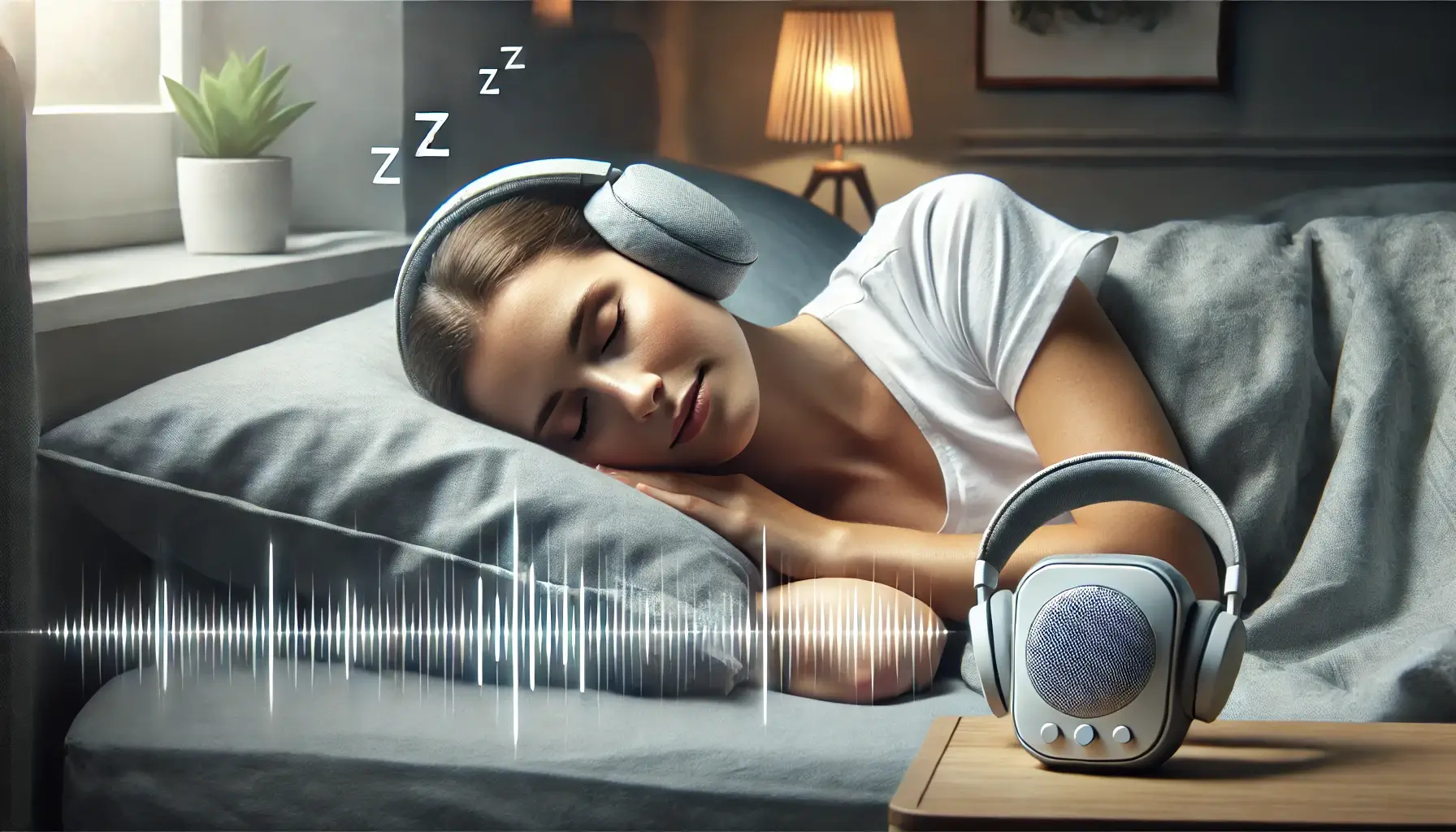
The science of sleep is an evolving field, where technology plays a pivotal role in addressing age-old challenges. For side sleepers, achieving a restful night has often been hampered by discomfort caused by traditional headphones or exposure to disruptive noise. Enter the era of sleep headphones for side sleepers: an intersection of ergonomic design and advanced sound technology aimed at providing comfort and tranquility.
Benefits and Challenges of Side Sleeping
Side sleeping, widely recommended for its benefits in reducing acid reflux and improving spinal alignment, requires specialized solutions when it comes to sound therapy. Traditional headphones, with their rigid designs, are ill-suited for the lateral pressures of side sleeping. This discomfort often deters users from enjoying the benefits of noise masking and calming audio therapy.
Market Innovation in Sleep Technology
In response, the 2024 market for sleep headphones has introduced models that prioritize side sleeper ergonomics without compromising sound quality. This article delves into the technical innovations behind these devices, highlighting how they cater to the specific needs of side sleepers. Drawing on recent medical research and product reviews, it provides a comprehensive guide to the best options available.
Understanding the Science of Sleep and Sound
Research underscores the impact of auditory environments on sleep quality. The brain continues to process sound during sleep, which can either disrupt rest or aid in relaxation, depending on the type of sound. Sound therapy for improved sleep quality leverages this phenomenon to promote sleep, and sleep headphones are the ideal delivery mechanism, especially in noisy environments.
Research Findings on Noise-Masking Technology
A 2017 study published in Noise & Health found that noise-masking headphones for urban environments significantly improved sleep quality by reducing disturbances caused by environmental noise. Participants in urban areas reported enhanced deep sleep cycles and fewer awakenings, emphasizing the importance of effective noise-blocking technology.
Advanced Sound Therapy Research
Further, a 2019 review in Frontiers in Human Neuroscience explored sound therapies delivered through headphones, including white noise and nature sounds. The review highlighted their effectiveness in inducing relaxation and improving overall sleep quality. The ergonomic challenges faced by side sleepers, however, necessitate designs that integrate thin, flexible materials and advanced sound systems.
2024 Innovation Focus
In 2024, these findings have driven innovations in sleep headphones that focus on both functionality and comfort. Manufacturers have incorporated technologies such as bone conduction and ultra-thin speakers for side sleeping to address the lateral pressures experienced by side sleepers. These advancements enable users to reap the benefits of sound therapy without discomfort.
Technical Innovations in Modern Sleep Headphones
For side sleepers, technological advancements have transformed the sleep headphone market. Here are the most notable innovations driving the industry:
Understanding Ultra-Thin Speaker Technology
How it Works: Speakers embedded in sleep headbands are designed to be less than 1 mm thick, ensuring they do not create pressure points.
Example: AcousticSheep SleepPhones utilize ultra-thin speakers, making them virtually unnoticeable during use.
Bone Conduction Technology Applications
How it Works: Sound transmission through skull bones rather than the ear canal, reducing discomfort and enabling ambient awareness.
Example: Flexound Pulse incorporates bone conduction for a clear, immersive audio experience without direct ear pressure.
Advanced Noise Masking Solutions
How it Works: Advanced algorithms for noise masking mask disruptive noises by emitting complementary frequencies, effectively silencing external disturbances.
Example: Bose Sleepbuds II offer a range of preloaded soundscapes tailored to different sleep environments.
Innovative Dual-Function Sleep Devices
How it Works: Combines sleep aids like masks with audio playback, providing dual benefits of light blocking and sound therapy.
Example: Doppio Sleep Mask with Headphones merges sensory isolation with audio relaxation.
Leading Sleep Headphone Options for 2024
Side sleepers have an array of choices in 2024, each offering unique features to enhance rest:
Top Product Reviews
AcousticSheep SleepPhones: Ultra-thin speakers in washable headband. Ideal for light sleepers who value comfort and simplicity.
Bose Sleepbuds II: Noise-masking wireless earbuds with customizable soundscapes. Praised for their premium noise isolation and long battery life.
Flexound Pulse: Incorporates bone conduction for clear sound transmission. Offers a flexible design that adapts to the head’s contours.
Doppio Sleep Mask with Headphones: A dual-purpose device that combines a sleep mask with embedded speakers. Perfect for travelers and sensory isolation enthusiasts.
Future of Sleep Technology
Sleep headphones are at the forefront of technological solutions for enhancing rest, particularly for side sleepers. The integration of ultra-thin materials and innovative sound transmission methods underscores the strides made in this field. For side sleepers, these advancements mean no longer having to compromise comfort for the sake of sound therapy.
Comprehensive Sleep Strategy
However, technology is only one piece of the puzzle. Good sleep hygiene practices and consistent sleep schedules remains fundamental. By combining these practices with cutting-edge sleep headphones, side sleepers can achieve the deep, restorative sleep they need to thrive.
Academic References
Jin, Z., Sun, W., Li, L., Song, L., & Li, H. (2017). The effect of noise-masking headphones on the sleep quality of adults in an urban environment. Noise & Health, 19(92), 382-386.
Scullin, M. J., & Hinterberger, H. (2019). Sound therapies for sleep: A review of the evidence. Frontiers in Human Neuroscience, 13, 174.