The Science of Teen Sleep: New Research Reveals Why Your Teenager Can’t Fall Asleep Early
Understanding Teen Sleep Patterns
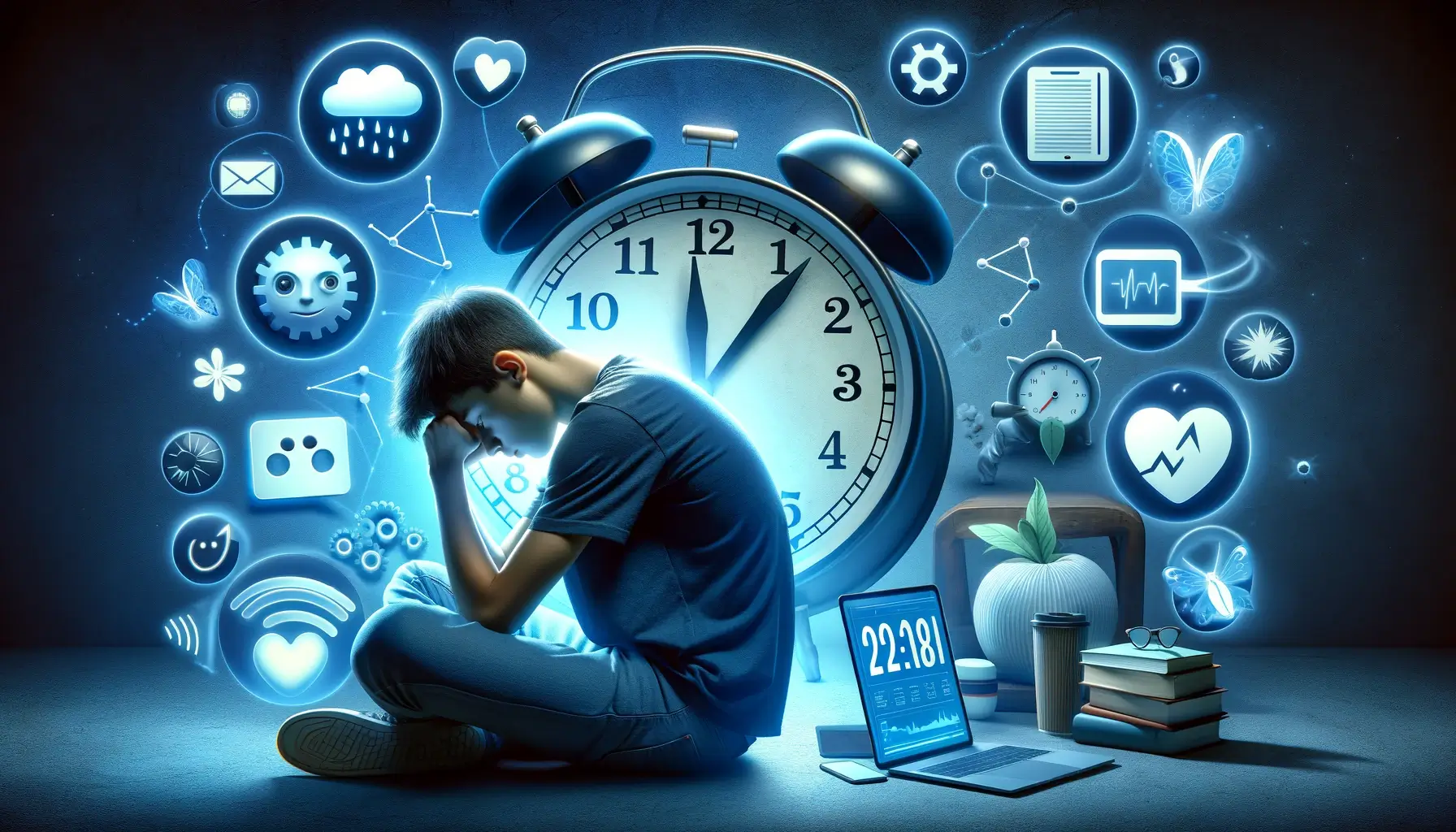
Teenagers’ sleep habits often puzzle parents and educators. Many teens stay awake well into the night, creating a cycle of chronic sleep deprivation that affects their health, academic performance, and emotional well-being. While this behavior is sometimes seen as a personal choice or rebellion, it is deeply rooted in biological and social factors.
During adolescence, shifts in the circadian rhythm, changes in brain development, and social priorities like peer interaction contribute to delayed sleep patterns. Compounding these challenges are external factors such as academic demands and excessive screen use, leading to a perfect storm for insufficient sleep. This article unpacks the science behind adolescent sleep patterns, explores the consequences of sleep deprivation, and provides practical advice for fostering healthier habits.
The Science Behind Adolescent Sleep
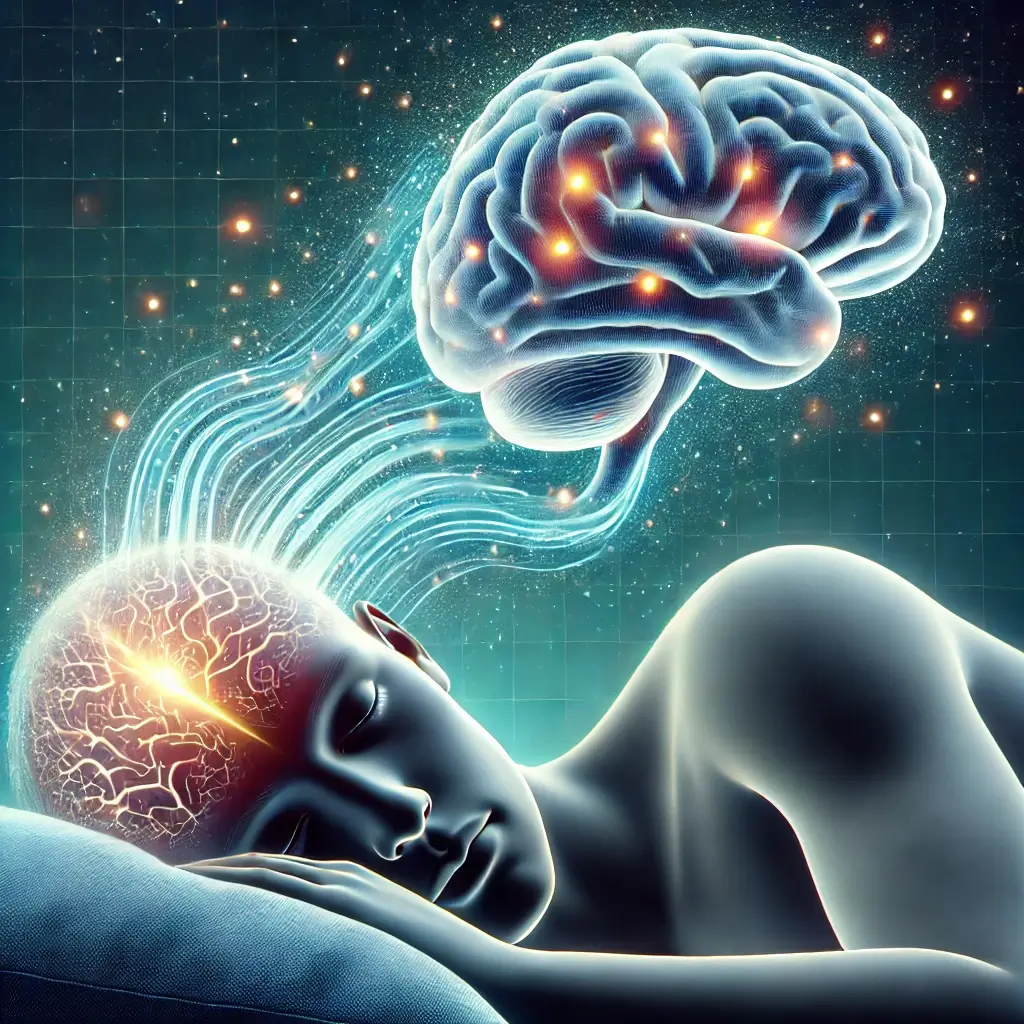
Adolescents experience a natural shift in their internal clock, or circadian rhythm, during puberty. Melatonin release patterns, the hormone responsible for inducing sleep, begins to be released later in the evening, delaying the onset of drowsiness. This delay, known as a sleep phase shift, means that teens are biologically predisposed to stay up later and wake up later. However, early school start times force teenagers to wake up before their bodies are ready, leading to cumulative sleep loss.
Brain Development and Sleep Patterns
The adolescent brain remodeling undergoes significant changes, particularly in the prefrontal cortex, which is responsible for decision-making and impulse control. This ongoing development impacts teens’ ability to prioritize sleep over immediate gratification, such as staying up late to chat with friends or play video games. Hormonal fluctuations during puberty further amplify this tendency by increasing alertness in the evening.
Social and Environmental Influences
Teenagers often prioritize social connections, which are critical to their development. Digital technology impact on sleep has become a primary concern, as its impact on sleep is profound. Blue light from screens delays melatonin production, making it harder for teens to fall asleep. Moreover, the engaging nature of digital content often keeps them awake longer than intended.
Consequences of Chronic Sleep Deprivation
Sleep deprivation in adolescents has significant implications for their mental, emotional, and physical health.
Cognitive and Academic Impairments
Sleep is essential for memory consolidation and learning. Studies have found that sleep-deprived teens struggle with attention, creativity, and academic performance. Consistently falling short of the recommended 8–10 hours of sleep can negatively affect school performance and long-term educational outcomes.
Emotional and Mental Health Challenges
Adolescents with insufficient sleep patterns are more likely to experience mood swings, anxiety, and depression. Research revealed that teens sleeping fewer than six hours a night were at significantly higher risk of developing depression and suicidal ideation. The strong link between sleep and emotional resilience underscores the need for prioritizing rest during this developmental stage.
Physical Health Risks
Chronic sleep loss effects are associated with a weakened immune system, increased risk of obesity, and metabolic disturbances. Sleep-deprived teens are also more likely to engage in risky behaviors, such as drowsy driving, which contributes to motor vehicle accidents—the leading cause of death among adolescents.
Strategies for Better Sleep
Despite the challenges, several evidence-based strategies can help improve teenagers’ sleep patterns:
Encourage consistent sleep-wake routines, even on weekends, to help regulate the circadian rhythm.
Limit screen time before bed by reducing exposure to screens at least an hour before bedtime minimizes the disruptive effects of blue light.
Create a relaxing sleep environment by ensuring the bedroom is cool, dark, and quiet to support restful sleep.
Advocate for later school start times as studies have shown that delaying school start times can significantly improve sleep duration and overall well-being in teens.
Conclusion: Supporting Teenagers Through Understanding
Teenagers’ late-night habits are not merely a product of poor discipline; they reflect profound biological and social changes. Understanding these factors is essential for addressing sleep challenges in a compassionate and effective way. By implementing practical strategies, fostering open communication, and advocating for systemic changes like later school start times, families and communities can help teenagers navigate the complexities of adolescent sleep.
Empowered by knowledge and guided by empathy, we can ensure that teens achieve the restorative sleep they need to thrive during this pivotal stage of life.
References
Beebe, D. W., Gonzalez, A., Luu, K., & Lewin, D. (2017). School start times and adolescent sleep: A review. Journal of Clinical Sleep Medicine, 13(4), 537–543.
Blakemore, S. J., & Robbins, T. W. (2012). Decision-making in adolescence. Nature Neuroscience, 15(9), 1184–1191.
Carskadon, M. A., Acebo, C., & Jenni, O. G. (1993). Regulation of adolescent sleep: Implications for behavior. Annals of the New York Academy of Sciences, 1021, 276–291.
Centers for Disease Control and Prevention. (2021). High school start times for students. Retrieved from www.cdc.gov
Chang, A. M., Aeschbach, D., Duffy, J. F., & Czeisler, C. A. (2015). Evening use of light-emitting eReaders negatively affects sleep, circadian timing, and next-morning alertness. Proceedings of the National Academy of Sciences, 112(4), 1232–1237.
Diekelmann, S., & Born, J. (2010). The memory function of sleep. Nature Reviews Neuroscience, 11(2), 114–126.
Wheaton, A. G., Ferro, G. A., & Croft, J. B. (2016). School start times for middle school and high school students—United States, 2011–12 school year. MMWR Morbidity and Mortality Weekly Report, 64(25), 809–813.