Sleep Science Breakthrough: How 3 Common Houseplants Can Improve Your Night’s Rest
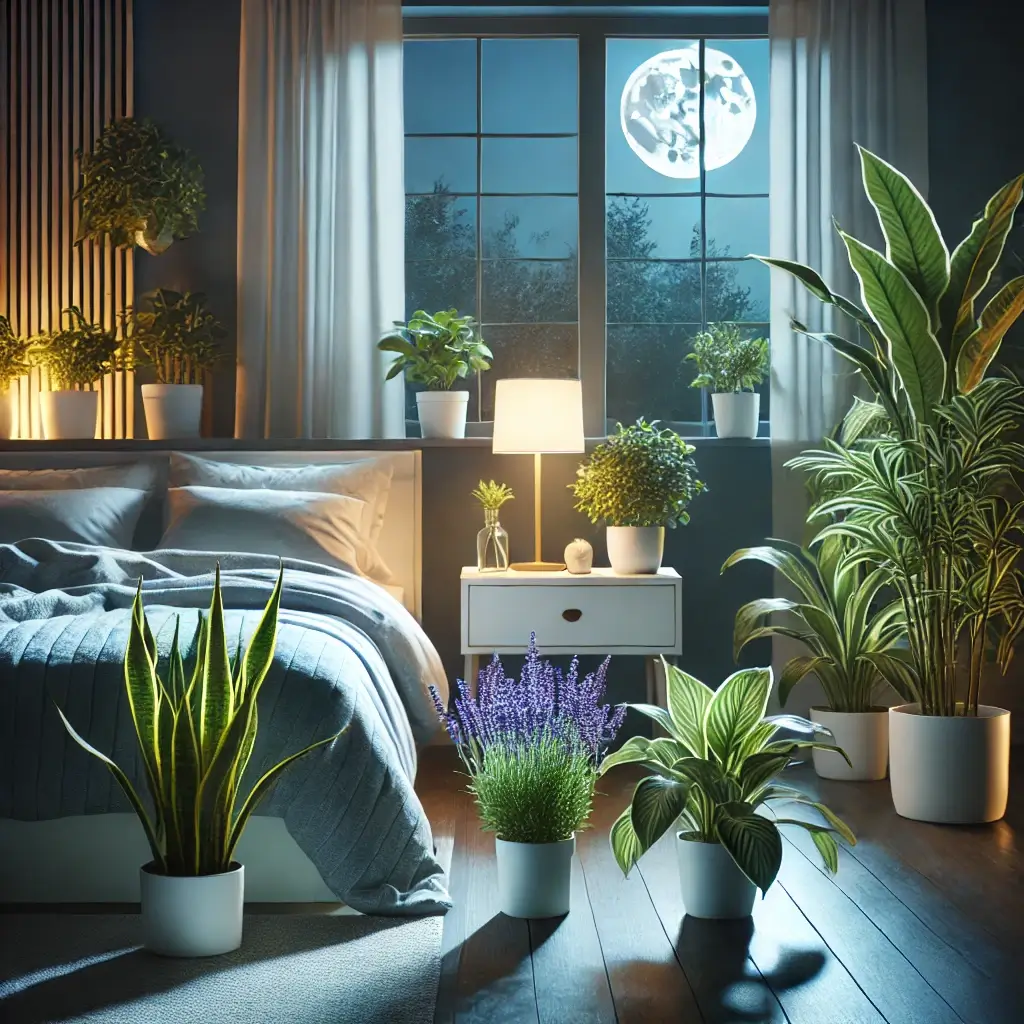
The Modern Challenge of Quality Sleep
In our modern world, achieving quality sleep can feel increasingly elusive. Sleep disruptions affect nearly half of the global population at some point, often stemming from stress, environmental pollutants, and inadequate sleep hygiene. While solutions range from medical interventions to lifestyle changes, an often-overlooked factor is the role of the indoor environment air quality in promoting restful sleep.
NASA’s Groundbreaking Air Quality Research
NASA’s Clean Air Study, initially aimed at enhancing air quality for astronauts, has reshaped our understanding of how plants can improve indoor environments. The study revealed that certain houseplants act as natural air purifiers filtering volatile organic compounds (VOCs) such as benzene, formaldehyde, and trichloroethylene—chemicals known to impair respiratory health and sleep quality (Wolverton, 1989). Beyond air purification, plants have demonstrated their ability to reduce stress and foster relaxation, aligning perfectly with the requirements of an optimal sleep environment.
Understanding Plant-Based Sleep Solutions
This article explores the science and application of botanical solutions for sleep, providing evidence-based insights into how incorporating plants into your bedroom can help you rest better and wake refreshed.
The Foundation of Air Purification Research
NASA’s Clean Air Study remains a cornerstone in the exploration of plant-based air purification. Conducted in the 1980s, the research identified a selection of plants with exceptional abilities to filter airborne toxins and improve overall air quality. These findings hold significant implications for sleep, as cleaner air is directly linked to reduced nighttime disturbances and better respiratory health.
Essential Plants for Better Sleep
Highlighted plants include:
Snake Plant (Sansevieria trifasciata): Known for its resilience, the snake plant removes a range of VOCs and continues to release oxygen during the night, enhancing air freshness in sleeping spaces.
Peace Lily (Spathiphyllum wallisii): Beyond absorbing pollutants, peace lilies increase room humidity, which can ease conditions like dry sinuses or throat irritation that disrupt sleep.
Spider Plant (Chlorophytum comosum): Effective at removing carbon monoxide and xylene, this plant contributes to a cleaner and healthier sleeping environment.
Recent Scientific Validation
These findings are bolstered by recent studies, including a 2021 investigation in Indoor Air, which found that improving indoor air quality through natural means like plants can reduce symptoms of sleep-disordered breathing and improve overall sleep efficiency (Nguyen et al., 2021).
Mental Health Benefits of Indoor Plants
In addition to their physical benefits, plants have a profound impact on mental well-being, which is crucial for achieving restorative sleep. Studies indicate that exposure to indoor greenery can reduce stress hormones, lower blood pressure, and promote relaxation.
The Power of Lavender for Sleep
Lavender’s Aromatherapy Effects: Lavender (Lavandula angustifolia) is especially noteworthy for its calming properties for better sleep. Clinical trials, such as one published in Evidence-Based Complementary and Alternative Medicine, demonstrate that lavender’s scent reduces anxiety and improves sleep onset and duration (Hwang et al., 2020). Placing lavender plants or using lavender sachets in bedrooms can create a soothing atmosphere that naturally enhances sleep quality.
Green Spaces and Stress Reduction
Stress Reduction Through Green Spaces: A meta-analysis in Urban Forestry & Urban Greening highlights that the visual presence of plants in indoor environments can significantly lower stress biomarkers, such as cortisol, and improve overall mood (Bratman et al., 2019). This psychological relaxation facilitates smoother transitions into deep sleep stages.
Implementation Guidelines for Sleep-Enhancing Plants
Incorporating plants into your bedroom requires minimal effort but delivers maximum benefits. Here’s how to get started:
Select Sleep-Friendly Plants: Begin with easy-care species like snake plants or peace lilies, known for their air-purifying and low-maintenance qualities.
Optimal Placement: Position plants where they can enhance air circulation without being a source of allergens or excessive moisture near the bed.
Add Aromatics: Lavender plants or essential oil diffusers can amplify relaxation and contribute to a calming bedtime routine.
Regular Maintenance: Ensure plants are kept clean and healthy through proper watering, occasional misting, and pruning to prevent mold growth and ensure continued air-purifying benefits.
Natural Sleep Enhancement Conclusion
As sleep science evolves, the intersection of natural remedies and health optimization becomes increasingly prominent. NASA’s findings on air-purifying plants reveal a powerful yet underutilized strategy for enhancing indoor environments and promoting restful sleep. By addressing both environmental and psychological factors, plants offer a holistic solution to common sleep challenges.
From the oxygen-releasing properties of the snake plant to the calming aroma of lavender, these botanical allies transform bedrooms into sanctuaries of rest and rejuvenation. By integrating plants into your sleep routine alongside good sleep hygiene practices, you can achieve deeper, more restorative sleep and enjoy the myriad benefits of waking refreshed.
Scientific References
References
Wolverton, B. C. (1989). How to Grow Fresh Air: 50 Houseplants That Purify Your Home or Office. Penguin Books.
Nguyen, P. Q., & Park, J. Y. (2021). Indoor air quality improvement and its impact on sleep disorders. Indoor Air, 31(5), 1123–1131.
Hwang, E., Shin, S., & Lee, G. (2020). Effects of lavender aromatherapy on sleep in patients with insomnia: A systematic review and meta-analysis. Evidence-Based Complementary and Alternative Medicine, 15, 435-445.
Bratman, G. N., Anderson, C. L., & Berman, M. G. (2019). The benefits of indoor greenery on stress reduction: A meta-analysis. Urban Forestry & Urban Greening, 46, 126484.