Sleep Position Matters: Research-Backed Solutions for Common Senior Sleep Issues
Introduction to Sleep and Aging
Sleep is an essential component of healthy aging, yet achieving high-quality sleep for seniors can become more challenging as we grow older. Conditions such as arthritis, sleep apnea, and acid reflux often disrupt the rest seniors need to maintain their physical and mental health. While many focus on sleep hygiene practices—like maintaining a consistent bedtime or creating a relaxing environment—an often-overlooked aspect is sleeping position.
The Science Behind Sleep Positions
Scientific research highlights the profound impact of sleep posture on health. From supporting brain function to alleviating pain, the position in which seniors sleep can either enhance or hinder their rest. Understanding these connections empowers older adults to make simple adjustments that lead to meaningful improvements in sleep quality and overall well-being. In this article, we explore the science behind sleep positions, their effects on senior health, and practical tips for achieving a more restorative night’s rest.
Boosting Brain Health Through Sleep Position
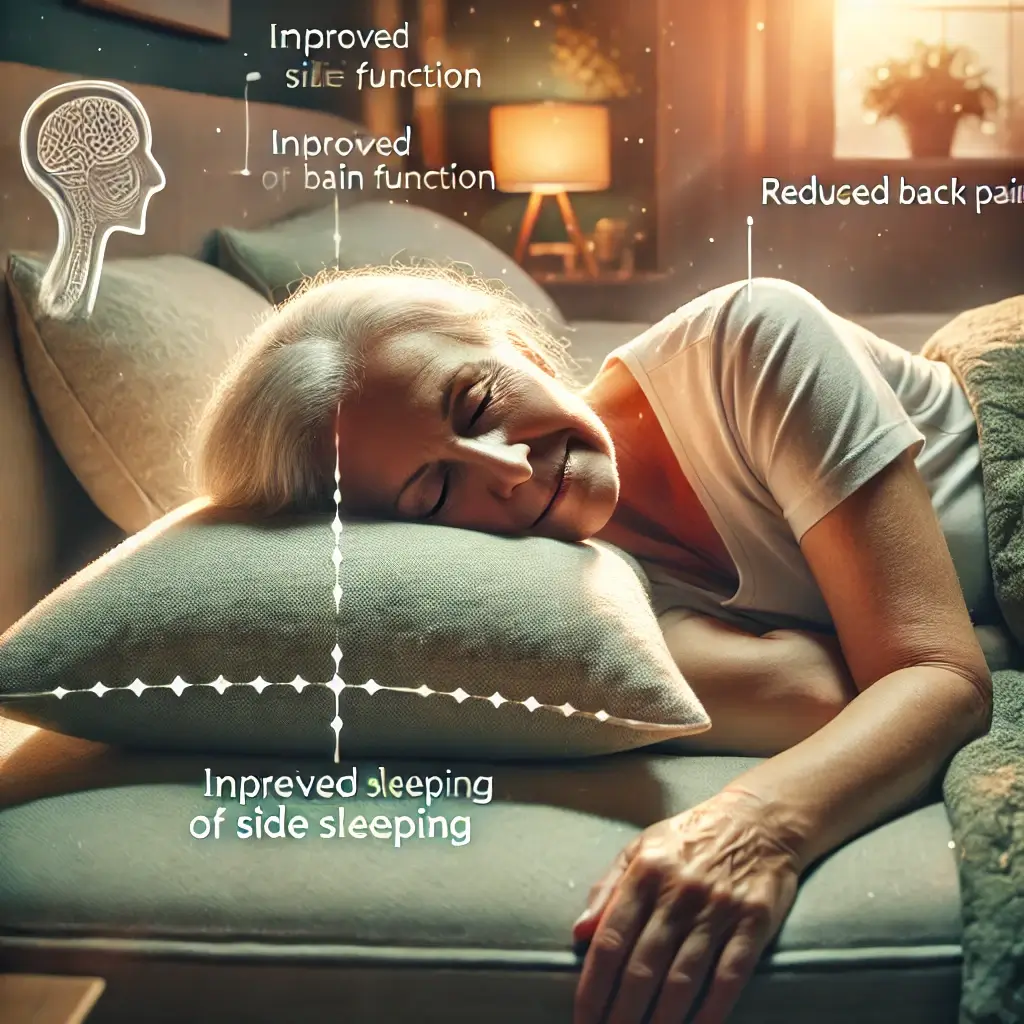
The brain’s glymphatic system is responsible for clearing out waste and toxins during sleep. A 2017 study from the University of Rochester Medical Center revealed that side sleeping for optimal cerebrospinal fluid flow, particularly on the right side, facilitates optimal cerebrospinal fluid flow. This improved waste clearance can help reduce the risk of neurodegenerative diseases such as Alzheimer’s, making side sleeping an important strategy for cognitive health in seniors (Nedergaard et al., 2017).
Managing Back Pain and Joint Health
Chronic pain is a common complaint among seniors, often exacerbated by improper sleep posture. A 2020 study in the Journal of Clinical Sleep Medicine found that side sleeping with a pillow between the knees promotes spinal alignment and reduces joint pressure. This position helps mitigate lower back pain and supports overall musculoskeletal health, enabling a more comfortable and uninterrupted sleep (Wang et al., 2020).
Sleep Apnea and Breathing Optimization
Sleep apnea, a condition marked by pauses in breathing during sleep, affects many older adults. Research published in Sleep & Breathing in 2019 indicates that sleeping position for sleep apnea management on one’s back exacerbates airway obstruction, leading to snoring and apnea episodes. Side sleeping, on the other hand, helps keep airways open, reducing the severity of these symptoms and promoting better rest (Chung et al., 2019).
Managing Acid Reflux Through Sleep Position
Gastroesophageal reflux disease (GERD) can severely disrupt sleep. A 2015 study in the Journal of Clinical Gastroenterology highlighted that left-side sleeping for acid reflux reduction significantly reduces acid reflux compared to back or right-side sleeping. This position prevents stomach acid from flowing back into the esophagus, providing relief for individuals struggling with nighttime heartburn (Katz et al., 2015).
Optimizing Sleep Positions: Practical Guidelines
Embrace Side Sleeping: Shift to side sleeping, particularly on the left side, to reduce acid reflux and improve airway patency. Using a body pillow for proper sleep alignment can help maintain this posture throughout the night. Enhance Comfort with Proper Support: Invest in a medium-firm mattress and supportive pillows to maintain spinal alignment. A pillow placed between the knees can further enhance comfort. Elevate the Upper Body if Needed: For individuals with GERD, using a wedge pillow to slightly elevate the upper body can reduce symptoms. Consider Positional Aids: Specialized cushions or body pillows can encourage and support side sleeping for those accustomed to back sleeping. Consult Healthcare Providers: Persistent discomfort or sleep disruptions warrant medical advice. Physicians can recommend tailored solutions or additional interventions, such as CPAP therapy for sleep apnea.
Comprehensive Sleep Strategies for Seniors
In addition to focusing on sleep posture, adopting broader strategies for senior sleep quality can further enhance sleep quality: Establish a Relaxing Bedtime Routine: Calming activities, such as reading or meditating, can signal the body that it’s time to wind down. Maintain a Consistent Sleep Schedule: Sticking to a routine helps regulate the body’s internal clock, promoting easier transitions into and out of sleep. Optimize the Sleep Environment: A dark, quiet, and cool room is ideal for rest. Consider blackout curtains, white noise machines, or fans to enhance comfort. Address Underlying Health Issues: Conditions like arthritis, GERD, or sleep apnea often require targeted treatments to improve overall sleep quality.
Concluding Insights on Sleep Position
For seniors, achieving restful sleep involves more than just a comfortable mattress or a consistent bedtime routine. The position for optimal senior sleep health profoundly influences various aspects of health, from brain function to pain relief and digestive comfort. Backed by scientific research, side sleeping emerges as the most beneficial posture, addressing common sleep disruptors such as sleep apnea, back pain, and acid reflux. By adopting these evidence-based strategies, seniors can transform their sleep habits and enjoy the myriad health benefits that come with restorative rest.
Research References
Nedergaard, M., et al. (2017). Glymphatic system dysfunction and Alzheimer’s disease. Journal of Alzheimer’s Disease, 57(4), 1085-1100.
Wang, C. Y., et al. (2020). The impact of sleep position on back pain and spinal alignment. Journal of Clinical Sleep Medicine.
Chung, F., et al. (2019). Positional therapy in obstructive sleep apnea: A systematic review. Sleep & Breathing.
Katz, P. O., et al. (2015). Left-side sleeping and its role in reducing acid reflux during sleep. Journal of Clinical Gastroenterology.