Reset Your Circadian Rhythm: A Comprehensive Guide to Better Sleep and Health
Understanding Sleep and Circadian Rhythm
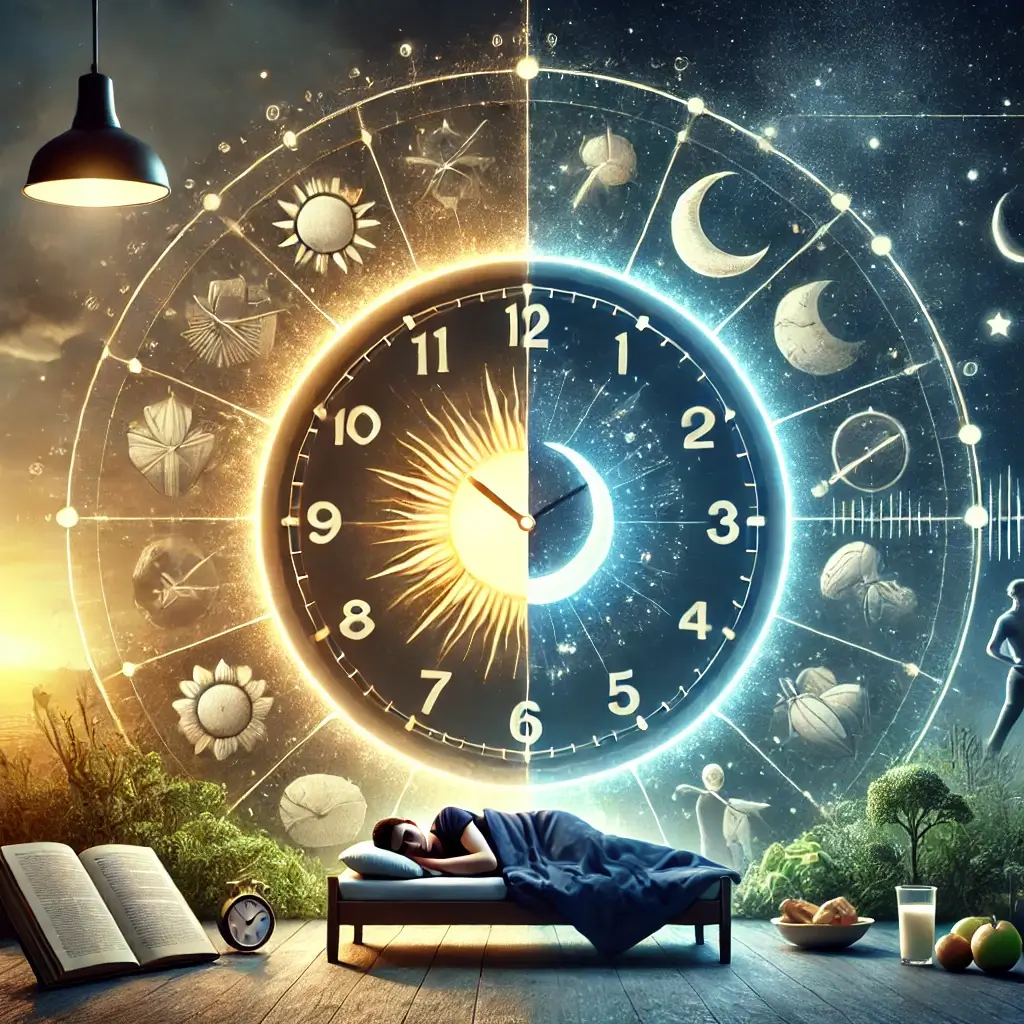
Sleep is a universal need, yet millions struggle to achieve it due to disruptions in their circadian rhythm. This internal clock regulates not only sleep-wake cycles but also digestion, hormone release, and body temperature. When this rhythm is misaligned—whether due to jet lag, shift work, or inconsistent habits—it can wreak havoc on your health, leading to sleep disorders, fatigue, and chronic illnesses.
The Orchestra of Your Body Clock
The circadian rhythm operates like an orchestra, where every physiological process plays its part in harmony. External cues, known as “zeitgebers,” such as light and temperature, guide this orchestra. However, in the age of artificial light, round-the-clock connectivity, and irregular schedules, these cues are often misinterpreted by the body. The consequences? Insomnia, metabolic disruptions, and even mood disorders such as anxiety and depression (Sleep Foundation, 2020).
The Path to Circadian Reset
Fortunately, resetting your circadian rhythm is achievable. Armed with scientifically validated strategies, you can recalibrate your body’s clock, restore restorative sleep, and enjoy improved physical and mental well-being. This article outlines proven methods to achieve these goals and dives into the research supporting them.
Scientific Methods for Circadian Alignment
Chronotherapy, the gradual adjustment of sleep and wake times, is a cornerstone for circadian realignment. A 2021 study published in Behavioral Sleep Medicine found that advancing or delaying sleep schedules by 15-30 minutes each day effectively shifts the internal clock without causing severe disruptions. This method is especially beneficial for those experiencing delayed sleep phase disorder (DSPD).
The Power of Natural Light
Light exposure is one of the most powerful tools for resetting the circadian rhythm. According to research in Current Biology (2021), exposure to natural light during the day and minimizing artificial light at night synchronize the body’s clock to the external environment. Camping, for instance, eliminates artificial light and has been shown to restore circadian alignment within days.
Creating the Perfect Sleep Environment
Creating a conducive environment for sleep is foundational. The National Sleep Foundation recommends maintaining a bedroom that is dark, quiet, and cool. A 2019 review in Sleep Health highlights that temperatures between 60-67°F are ideal for promoting sleep onset and maintaining deeper sleep stages.
Essential Sleep Optimization Steps
Additional Measures:
Eliminate blue light exposure by using blue-light-blocking glasses or software on devices.
Establish a calming pre-sleep routine, such as reading or meditating.
The Role of Melatonin
Melatonin supplements are widely studied for their ability to aid circadian rhythm adjustments. A 2020 clinical trial published in Journal of Clinical Sleep Medicine found that melatonin supplementation is particularly effective for jet lag and shift work adaptation. The key is timing—taking melatonin 1-2 hours before the desired sleep time optimizes its efficacy.
Exercise and Circadian Health
Exercise is a natural circadian regulator. A 2022 study in Chronobiology International revealed that moderate-intensity morning or afternoon workouts improve circadian alignment by reinforcing the body’s natural wake signals. However, intense evening exercise can delay melatonin release, leading to later sleep onset.
Nutrition’s Impact on Sleep Cycles
Eating schedules significantly influence the circadian rhythm. The Journal of Clinical Endocrinology & Metabolism (2021) recommends front-loading calories earlier in the day and avoiding heavy meals at night. This practice aligns metabolism with the body’s natural rhythms, supporting better sleep quality and overall health.
Health Implications of Circadian Disruption
Disruptions to the circadian rhythm extend beyond poor sleep. Chronic circadian misalignment is linked to:
Metabolic Disorders: Irregular sleep-wake cycles impact insulin sensitivity and hunger hormones like ghrelin and leptin, increasing risks for obesity and diabetes.
Cardiovascular Health: Studies show that shift workers face higher incidences of hypertension and heart disease due to circadian disturbances (Circulation Research, 2019).
Mental Health: Circadian misalignment exacerbates symptoms of mood disorders, particularly depression and anxiety, by disrupting neurotransmitter balance.
Taking Action for Better Sleep
Resetting your circadian rhythm requires a combination of intentional lifestyle adjustments and scientifically supported interventions. Strategies such as chronotherapy, light exposure, and optimizing sleep hygiene can help realign your internal clock, leading to improved sleep quality and overall well-being.
Professional Help and Resources
For those with persistent sleep difficulties, professional evaluation is recommended. Underlying conditions like sleep apnea, insomnia, or delayed sleep phase disorder may require tailored treatments. By taking proactive steps to recalibrate your circadian rhythm, you are investing in better health, energy, and quality of life.
Scientific References
Current Biology. (2021). Camping as a natural reset for circadian rhythms. Current Biology, 31(4), 456-463.
Circulation Research. (2019). Cardiovascular risks associated with circadian rhythm disruption. Circulation Research, 125(6), 837-849.
Journal of Clinical Endocrinology & Metabolism. (2021). The role of meal timing in circadian regulation. JCEM, 106(9), e3667-e3675.
Journal of Clinical Sleep Medicine. (2020). Melatonin’s role in circadian rhythm disorders. Journal of Clinical Sleep Medicine, 16(5), 655-663.
Sleep Health. (2019). The impact of bedroom environment on sleep quality. Sleep Health, 5(2), 133-140.
Sleep Foundation. (2020). Circadian rhythms and their effects on health. Retrieved from Sleep Foundation Website.