Evidence-Based Sleep Solutions: Understanding White Noise’s Role in Modern Rest and Recovery
The Modern Challenge of Peaceful Sleep
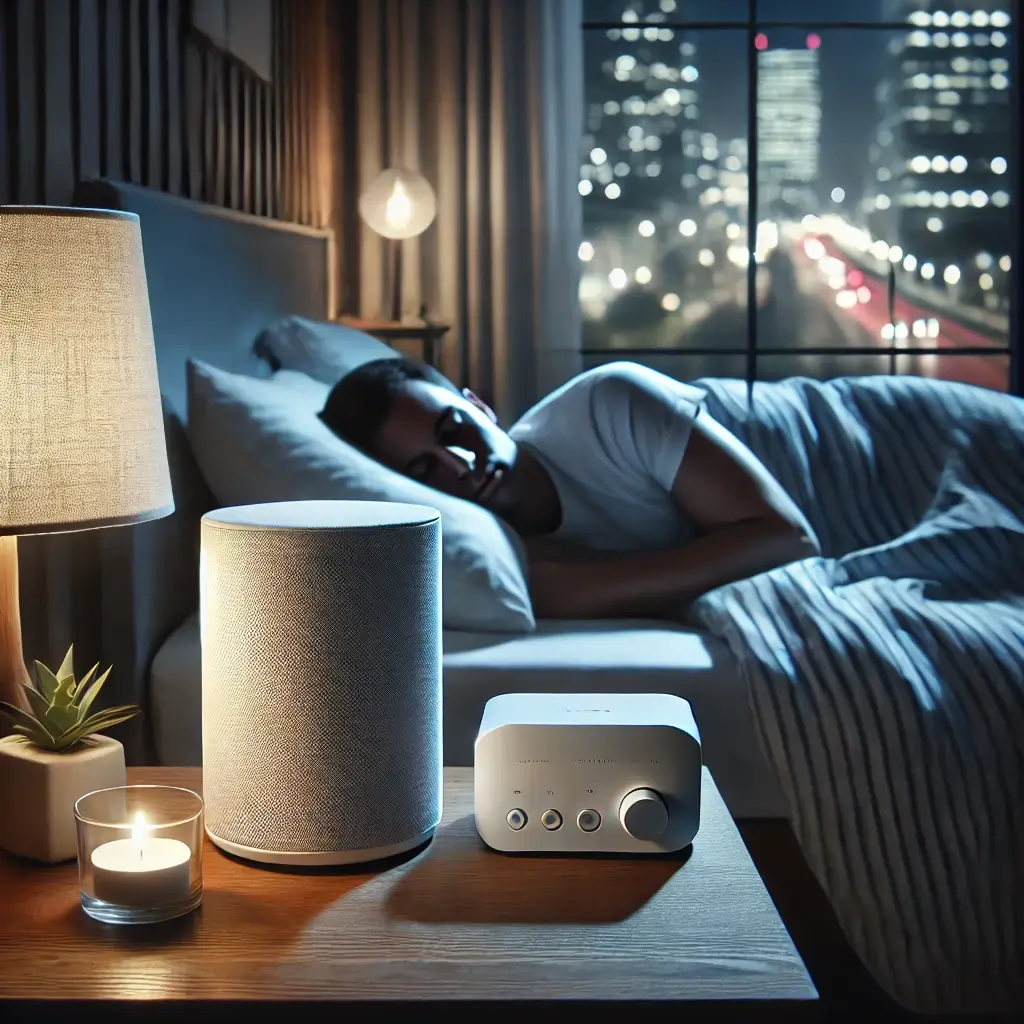
In a hyper-connected world, where constant notifications and urban clamor dominate, the simple act of sleeping peacefully has become a rare luxury. Modern life challenges the body’s natural rhythms, with stress and environmental disruptions at the forefront of sleep issues. Against this backdrop, white noise has emerged as a popular tool for sleep optimization. Unlike pharmaceutical aids, white noise offers a non-invasive solution, helping individuals of all ages achieve restful sleep by masking environmental disturbances.
Understanding White Noise Science
White noise is more than just a steady hum; it is a scientifically engineered sound that evenly distributes energy across all audible frequencies. This unique auditory profile makes it highly effective at covering abrupt and unpredictable sounds that can disrupt sleep cycles. While the concept of using sound to promote rest is not new, recent advancements in technology and a deeper understanding of auditory processing have amplified white noise’s potential.
Introduction to Sleep Enhancement Tools
This article examines the multifaceted role of white noise in sleep enhancement, explores its underlying mechanisms, and provides evidence-based guidance on leveraging its benefits. As sleep science continues to evolve, understanding tools like white noise becomes crucial in optimizing our approach to health and well-being.
Scientific Research and Therapeutic Applications
The growing body of research surrounding white noise underscores its effectiveness in addressing sleep disruptions. A 2019 study published in Frontiers in Human Neuroscience highlighted how white noise could reduce the impact of environmental noise on sleep continuity. Participants exposed to white noise reported fewer awakenings and experienced a notable improvement in sleep quality, particularly in noisy urban environments.
Impact Studies Across Age Groups
Another significant study, conducted in 2017 and published in Sleep Medicine, explored white noise’s impact on infants. The researchers discovered that white noise significantly shortened the time to sleep onset and increased overall sleep duration, demonstrating its versatility across age groups.
Extended Benefits Beyond Sound Masking
Interestingly, the applications of white noise extend beyond masking sound. A 2021 study in The Journal of Pain revealed its potential to reduce the perception of pain during sleep. By redirecting the brain’s focus, white noise helped patients with chronic pain achieve deeper and more restorative rest.
Exploring Sound Therapy Alternatives
However, the field of sound therapy is not without debate. Alternatives such as pink and brown noise are increasingly recognized for their ability to cater to individual auditory preferences. Pink noise, for example, emphasizes lower frequencies and has been linked to improved memory retention during sleep. Comparisons between these sound profiles suggest that while white noise is effective, personal experimentation may yield better results for certain individuals.
Implementation Guide for Better Sleep
Incorporating white noise into your sleep routine is a straightforward and accessible process. Here are some actionable steps to make the most of this tool:
Identify Your Needs: Consider your environment. Are you masking urban noise, a snoring partner, or household sounds? This will help determine the best type of white noise for your situation.
Choose Your Source: White noise can be generated using dedicated machines, mobile apps, or household appliances like fans.
Experiment with Variants: If traditional white noise feels harsh, explore pink or brown noise for a softer auditory experience.
Set the Volume Wisely: Avoid overly loud settings that might lead to auditory fatigue or discomfort.
Integrate Gradually: Use white noise consistently but sparingly at first to adapt without developing dependency.
For families, introducing white noise into children’s sleep routines can be particularly beneficial, creating a calming environment that promotes longer and more peaceful rest.
Personalizing Your Sleep Environment
White noise has emerged as a powerful ally in the quest for better sleep, offering relief from environmental disruptions and fostering a more stable auditory environment. Backed by scientific research and accessible through various formats, it serves as a versatile tool for individuals and families alike.
Holistic Approach to Sleep Improvement
However, it is essential to recognize that sleep is a multifaceted process. Combining white noise with practices such as maintaining a consistent sleep schedule, reducing screen exposure, and optimizing the sleep environment will yield the best results. While white noise may not be a one-size-fits-all solution, its flexibility and proven benefits make it a valuable addition to the modern sleep arsenal.
Future of Sound Therapy
As we embrace advancements in sound therapy, the opportunity to customize our sleep experiences grows. Whether you prefer the steady hum of white noise, the gentler tones of pink noise, or the immersive quality of nature sounds, crafting your perfect soundscape is a key step toward reclaiming restful nights.
Research Citations
Frontiers in Human Neuroscience. (2019). “Examining the Role of White Noise in Enhancing Sleep Continuity.”
Sleep Medicine. (2017). “White Noise and Infant Sleep: A Study of Duration and Quality Improvements.”
The Journal of Pain. (2021). “White Noise as a Tool for Pain Reduction and Sleep Enhancement.”